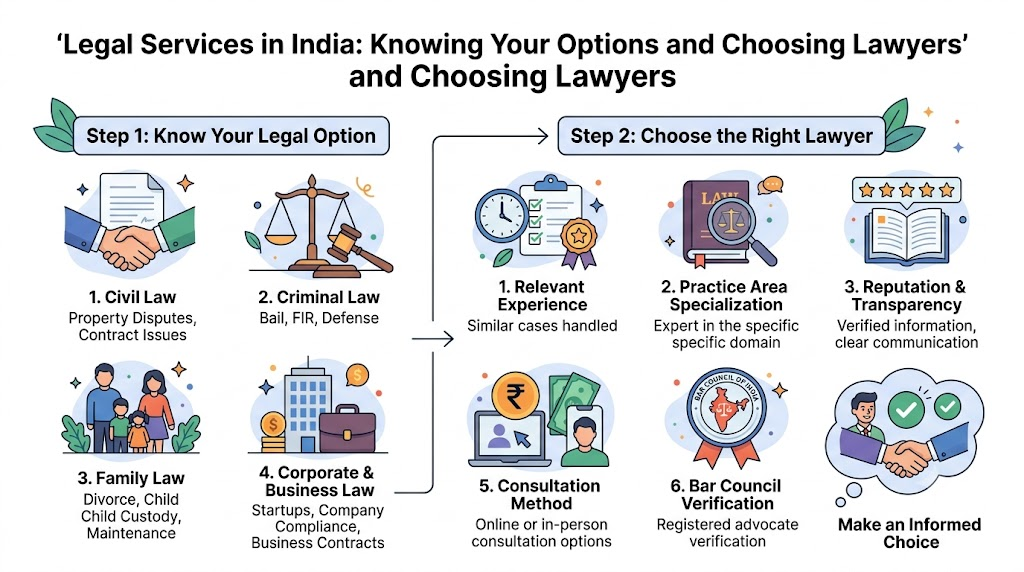
Introduction
Experiencing a legal issue—whether a personal dispute, a property transaction, or a commercial disagreement—often brings sudden complexity and uncertainty. In India’s multi-layered legal ecosystem, non-lawyers frequently struggle to determine the severity of their legal position, what statutory remedies exist, and how to find an advocate equipped for their specific situation. A common challenge lies in bridging the gap between facing a problem and securing effective legal representation. Without clear guidance, individuals and businesses risk missing critical statutory deadlines, misinterpreting legal notices, or choosing representation unsuited to the specific court or domain. This strategic guide walks you through analyzing legal disputes, evaluating specialized legal practice areas, assessing consultation pathways, and using modern digital discovery platforms to find the right advocate in India.
Deconstructing Legal Disputes in India
Every legal challenge in India originates from specific statutory rules, rights, or contractual obligations. To address a dispute effectively, it must first be categorized under its appropriate legal framework.
+-------------------------------------------------------------------+
|                    LEGAL DISPUTE CLASSIFICATION                   |
+-------------------------------------------------------------------+
                                  |
        +-------------------------+-------------------------+
        |                                                   |
+-------------------------------+       +-----------------------------------+
|     CIVIL & PRIVATE REMEDIES  |       |   CRIMINAL & PUBLIC OFFENSES      |
| (Property, Family, Contracts) |       | (FIR, Fraud, Cybercrime, Bail)    |
+-------------------------------+       +-----------------------------------+
        |                                                   |
+-------------------------------+       +-----------------------------------+
| Focus: Compensation, Restitution|     | Focus: Enforcement, Penalties,    |
| & Specific Performance         |      | Rights Defense & Due Process      |
+-------------------------------+       +-----------------------------------+
Civil vs. Criminal Remedies
Civil law addresses private rights and remedies between individuals, corporations, or public entities. The objective in civil disputes is typically restitution, financial compensation, injunctions, or specific performance of contracts.
Criminal law, conversely, involves actions deemed harmful to public order or safety. Proceedings involve state machinery, law enforcement, and formal court trials where liberty, bail, and statutory penalties are at stake.
Recognizing whether your situation requires civil litigation, criminal defense, or regulatory compliance is the foundational step in identifying the right legal advocate.
Why Proactive Legal Action Matters
Waiting until a legal notice arrives or court summons are served often limits your strategic choices. Proactive legal action helps protect your rights and assets before disputes escalate into lengthy litigation.
Advantages of Proactive Strategy
- Enforcing Statutory Limitations: The Limitation Act and related statutes set strict deadlines for bringing claims or responding to notices. Timely action keeps your legal claims enforceable.
- Securing Contemporaneous Evidence: Written records, financial statements, emails, and digital trail evidence are far easier to preserve early in a dispute.
- Pre-Litigation Dispute Resolution: Many disputes can be resolved via structured legal notices, mediation, or negotiated settlements, saving significant time and expense.
- Minimizing Legal Exposure: Early risk analysis allows businesses and individuals to identify liabilities and adjust operational or personal decisions accordingly.
Mapping Legal Needs to Specialized Practice Domains
Selecting the right legal professional requires matching your exact issue with an advocate specializing in that specific branch of law.
                      +-----------------------------+
                      |   SPECIALIZED DOMAINS       |
                      +-----------------------------+
                                     |
    +-------------------+------------+------------+--------------------+
    |                   |                         |                    |
+-------+           +--------+               +----------+         +-----------+
| Real  |           | Matri- |               | Criminal |         | Corporate |
| Estate|           | monial |               | Defense  |         | & Business|
+-------+           +--------+               +----------+         +-----------+
    |                   |                         |                    |
    |-- Due Diligence   |-- Mutual Divorce        |-- Bail/Anticipatory|-- Founder Terms
    |-- Title Checks    |-- Custody Frameworks    |-- Cyber Fraud      |-- Commercial Rules
    |-- Partition Claims|-- Alimony/Maintenance   |-- FIR Quashing     |-- IP Registration
Real Estate and Property Law
Property transactions require careful scrutiny of ownership chains and title documents. Property advocates verify title authenticity, examine encumbrance records, draft sale agreements, and handle suits involving land acquisition, boundary issues, or partition.
Family and Matrimonial Proceedings
Matrimonial matters involve a sensitive combination of statutory family laws and personal codes. Specialist family lawyers handle divorce petitions, child custody arrangements, spousal maintenance claims, and domestic violence protection orders.
Criminal Defense and Digital Offenses
Navigating criminal law requires swift action, particularly during police investigations or arrest threats. Criminal lawyers handle bail applications, anticipatory bail, FIR quashing, and defense trials. In parallel, cybercrime lawyers handle issues governed by the Information Technology Act, such as online financial fraud, identity theft, and unauthorized data breaches.
Corporate, Employment, and Business Law
Businesses require ongoing legal support to maintain compliance, protect intellectual property, draft vendor and founder agreements, and handle commercial disputes before tribunals like the NCLT or through arbitration.
Practice Domain Matrix
The following table categorizes key legal practice areas alongside typical client scenarios:
| Lawyer Practice Domain | Primary Responsibilities | Common Target Scenarios |
| Real Estate & Property Lawyer | Title verification, due diligence, partition suits, lease agreement drafting | Homebuyers, land investors, families dividing ancestral property |
| Family & Matrimonial Advocate | Divorce petitions, mutual consent settlements, custody & maintenance matters | Spouses facing marital breakdowns or asset division disputes |
| Criminal Defense Lawyer | Bail applications, trial defense, police representation, FIR quashing | Individuals named in criminal complaints or facing police inquiry |
| Cybercrime Specialist | Online fraud recovery, digital evidence submission, IT Act compliance | Victims of phishing, unauthorized transfers, digital extortion |
| Corporate & Commercial Lawyer | Contract drafting, regulatory compliance, founder agreements, dispute resolution | Startup founders, SMEs, corporate directors, commercial partners |
Critical Factors in Assessing Advocate Suitability
Finding the right legal advocate requires evaluating several key factors to ensure a good match for your specific case:
                            +--------------------------+
                            | EVALUATION CRITERIA      |
                            +--------------------------+
                                         |
         +------------------+------------+------------+------------------+
         |                  |                         |                  |
+-----------------+ +---------------+         +---------------+ +-----------------+
| Relevant        | | Court         |         | Strategic     | | Transparent     |
| Experience      | | Familiarity   |         | Clarity       | | Fee Terms     |
+-----------------+ +---------------+         +---------------+ +-----------------+
Practice Domain Experience
Always evaluate an advocate based on their direct experience with your specific type of dispute, rather than relying solely on overall years of general practice.
Familiarity with the Relevant Court Forum
Procedural rules and operational practices vary across District Courts, High Courts, and specialized tribunals. Working with an advocate who regularly practices before the specific forum handling your matter supports smoother procedural handling.
Clear Fee Terms and Scope of Service
Discuss professional fee structures transparently before engaging an advocate. Fee models can include per-hearing fees, fixed project fees, or ongoing retainer arrangements. Establishing a clear scope of work helps avoid misunderstandings later.
Evaluating Consultation Pathways: Digital vs. Office-Based
Modern legal services offer multiple ways to consult with advocates. Reviewing these pathways helps you choose the best option for your schedule and circumstances.
| Assessment Dimension | Online Legal Consultation | Office / Physical Legal Consultation |
| Convenience & Speed | High; schedule and connect quickly from any location | Moderate; requires scheduling and travel to office/court |
| Initial Assessment | Ideal for preliminary advice, strategy, and notice reviews | Necessary for complex litigation and trial preparation |
| Document Review | Digital sharing of PDFs, contracts, and electronic notices | Physical inspection of original document bundles and records |
| Best Suited For | Early advice, contract reviews, initial legal strategy | Active court litigation, heavy evidence reviews, trial prep |
| Cost Efficiency | Reduces travel time and initial consultation costs | May involve higher costs related to extended in-person meetings |
Recognizing When Immediate Legal Consultation Is Required
Certain legal situations require swift professional intervention to protect your rights and options:
- You have been served with a formal legal notice or court summons containing a strict response deadline.
- You are preparing to sign high-value commercial contracts, real estate purchase deeds, or equity transfer agreements.
- You are starting a partnership, launching a company, or onboarding investors requiring formal agreements.
- You are dealing with an irreconcilable marital breakdown involving child custody, asset division, or alimony.
- You have suffered financial loss due to digital cyber fraud, banking scams, or identity theft.
- You face imminent criminal allegations, police inquiry, or require immediate bail protection.
Procedural Legal Mechanisms Compared
Understanding core legal mechanisms helps you participate actively in your case strategy:
| Legal Mechanism | Purpose & Objective | Key Strategic Considerations |
| Legal Notice | Formally state legal demands before filing a lawsuit | Sets a firm deadline for response; serves as crucial court evidence later |
| First Information Report (FIR) | Initiate police investigation for cognizable offenses | Forms the foundation of criminal proceedings; prompt registration is key |
| Bail Application | Secure temporary release from custody pending trial | Requires showing cooperation with investigation and non-flight risk |
| Property Title Search | Verify clean, clear ownership of real estate | Involves checking 13–30 years of public revenue and land records |
| Mutual Consent Settlement | Amicably resolve marital or commercial disputes out of court | Requires clear, written terms covering all assets, claims, and custody |
Common Legal Mistakes to Avoid
Avoiding strategic errors early in a legal matter can save significant time, stress, and expense:
+-----------------------------------------------------------------------+
|                        COMMON LEGAL MISTAKES                          |
+-----------------------------------------------------------------------+
| [!] Waiting until statutory limitation periods expire                  |
| [!] Choosing legal counsel based solely on the lowest fee             |
| [!] Relying on generic, unverified online forum advice                |
| [!] Concealing key facts or unfavorable evidence from your advocate   |
| [!] Signing legal documents without reviewing all terms and conditions |
+-----------------------------------------------------------------------+
- Delaying Action: Waiting until statutory limitation periods expire can permanently bar your legal remedies.
- Choosing Counsel Solely on Fee Size: Selecting an advocate based only on the lowest price rather than domain specialization often leads to poor case handling.
- Withholding Case Facts: Failing to share full details—including unfavorable facts—prevents your lawyer from building a strong, realistic defense strategy.
- Relying on Generic Online Content: Assuming general articles apply directly to your specific facts without professional review.
- Signing Unread Contracts: Executing agreements or consent letters without professional legal review.
Expert Tips for Managing Your Legal Case
Following an organized approach helps ensure you get the most value from your legal team:
- Build a Written Chronology: Create a clear, date-by-date summary of events, conversations, and key actions related to your dispute.
- Organize Key Documents: Gather all relevant contracts, notices, receipts, emails, and message logs before your initial consultation.
- Define Specific Goals: Be clear about your main objective—whether that is recovering funds, securing an injunction, or reaching a quick settlement.
- Ask Clear Questions: Ask your advocate about legal options, potential risks, estimated court timelines, and total cost expectations.
- Keep Duplicate Records: Maintain secure digital and physical copies of every document filed in or received during your case.
Best Practices for Navigating Disputes in India
Applying tested best practices helps keep your case on track and minimizes unnecessary risks:
- Confirm Advocate Registration: Verify that your legal representative is active with their State Bar Council.
- Get Terms in Writing: Ensure engagement scope, fee structures, and representation terms are recorded clearly in writing.
- Meet All Procedural Deadlines: Submit required documents, signatures, and evidence to your legal team well ahead of filing deadlines.
- Consider Alternative Dispute Resolution: Explore mediation or arbitration as faster, private alternatives to traditional court litigation.
- Maintain Strict Confidentiality: Keep case strategies, legal advice, and court documentation secure and private.
The Transformation of Legal Discovery in India
Finding qualified legal representation in India has traditionally relied on informal referral networks and word-of-mouth recommendations. While personal referrals remain common, they can limit choices and make it hard to verify whether an advocate has the right specialization for your specific legal issue.
Modern legal discovery tools and online platforms provide structured options for finding representation. These tools allow individuals and businesses to research legal practice areas, understand basic court processes, and connect with suitable advocates across India based on location, practice domain, and consultation type.
By improving access to reliable legal information and structured directories, legal technology helps citizens make informed choices before committing to formal engagement.
How Legal Discovery Platforms Support Better Decisions
Finding the right advocate starts with clear information and structured choice. Legal discovery platforms serve as accessible resources where individuals, families, and business owners can learn about legal processes and locate qualified professionals across India.
Platforms like WakilSahab organize legal content, procedural guides, and lawyer directory listings into a single accessible portal. By helping users understand their rights and identify advocates with relevant experience, these platforms make navigating the legal system clearer and more straightforward.
Frequently Asked Questions (FAQs)
How can I find a verified lawyer near me in India?
You can find a qualified lawyer by searching structured legal directories that organize advocates by practice area, location, and court experience. Always verify that your chosen advocate is registered with the relevant State Bar Council before engaging their services.
What is the distinction between legal information and formal legal advice?
Legal information provides general explanations of statutes, rights, court procedures, and legal terms. Formal legal advice occurs when a qualified advocate analyzes your specific facts and provides tailored recommendations for your case.
How do online legal consultations work in India?
Online consultations allow you to schedule a virtual meeting with an advocate via phone or video link. You share relevant documents electronically in advance, discuss your situation during the call, and receive preliminary assessment and directional guidance on your legal options.
When should I consult a property lawyer in India?
Consult a property lawyer before buying real estate, executing lease agreements, or when facing partition, boundary, or tenant disputes. A property lawyer conducts due diligence, verifies title records, checks encumbrance details, and drafts protective agreements.
What steps should I take if I am hit by online financial fraud?
Immediately report the fraud on the National Cyber Crime Reporting Portal (cybercrime.gov.in) or to your local cyber police unit. Notify your bank right away to block compromised accounts, preserve digital evidence like screenshots and transaction IDs, and consult a cybercrime advocate.
How do I choose between a corporate advocate and a general business advisor?
Choose a corporate advocate when you need custom contract drafting, regulatory compliance under the Companies Act, founder agreements, or representation in commercial court disputes. Business advisors handle general strategy, but bound legal terms and court filings require a qualified advocate.
What materials should I organize before meeting a divorce lawyer?
Assemble your marriage certificate, financial records, asset details, relevant communications, and a timeline of key marital events. Being clear about your goals regarding custody, maintenance, or asset division helps the lawyer evaluate options under applicable family laws.
When should I hire a criminal defense lawyer?
Hire a criminal lawyer immediately if you receive police summons, face criminal investigation, anticipate arrest, or need to file or respond to an FIR. A criminal advocate guides bail applications, quashing suits, and trial defense.
Can I access free legal information online in India?
Yes, general legal awareness guides and educational resources offer free access to legal information online. For individualized advice on specific legal matters, you can consult an advocate directly or explore legal aid programs provided under the Legal Services Authorities Act.
How are legal consultation fees calculated in India?
Legal fees vary based on the advocate’s experience, legal specialization, court forum (District Court, High Court, Supreme Court), location, and case complexity. Fees may be structured per session, per hearing, or as a fixed retainer.
What is an FIR and why is it important in criminal law?
A First Information Report (FIR) is the document registered by police when information about a cognizable offense is received. It initiates the formal investigation process, and obtaining a copy is essential for filing bail applications or legal challenges.
Why is title verification important before buying land or property?
Title verification ensures the seller holds clear, marketable title to the property without hidden legal claims, mortgages, or pending litigation. A property lawyer reviews revenue and land records spanning 13 to 30 years to confirm clear ownership.
What is the role of a formal legal notice?
A legal notice formally informs the recipient of your grievances and legal claims before initiating court action. It gives the receiving party a set timeframe to resolve the dispute amicably and serves as key documentary evidence if litigation follows.
Can an advocate review contracts through an online consultation?
Yes, online legal consultations work well for contract review. You can share draft documents—such as employment contracts, vendor agreements, or NDAs—for an advocate to review, flag potential risks, and recommend protective changes.
How do legal directories make finding an advocate easier?
Legal directories organize advocates by practice domain, city, court, and language preferences. They reduce discovery time by allowing citizens and businesses to evaluate choices transparently and connect with advocates suited to their specific legal needs.
Conclusion
Navigating legal challenges effectively requires understanding your legal options, taking timely action, and working with the right advocate for your situation. Whether you are dealing with a property transaction, business agreement, family issue, or unexpected dispute, making informed choices early helps protect your rights and assets. While educational articles build general awareness, every legal issue depends on specific facts that require professional analysis. Utilizing structured legal discovery platforms allows citizens, startups, and established businesses across India to find qualified advocates efficiently. Taking structured, proactive steps ensures your interests are well protected at every stage of the legal process.